
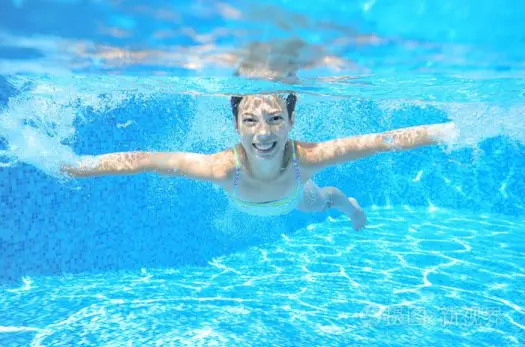
Quiet children are often underestimated in swimming lessons. They do not rush to the front. They do not shout for attention. They may stand back, watch closely, and speak very little. From poolside, it can look like they are hesitant or lacking confidence. Parents sometimes worry that their child is falling behind because they are not as outwardly enthusiastic as others. After years of observing children learn to swim in many different settings, I have seen the opposite happen time and time again. Quiet children often make strong, steady progress and, in many cases, learn swimming skills faster than expected. This pattern appears most clearly in well structured programmes, which is why, when parents search for swimming lessons near me, I often point them towards calm, confidence led schools like MJG Swim. You can see their approach at local swimming lessons.
I write as a swimming blogger who focuses on how children really learn, not how progress looks from the outside. Quiet learners bring strengths to the pool that are easy to miss. When lessons are delivered with patience and clarity, those strengths often lead to excellent outcomes.
Quiet does not mean nervous or unconfident
One of the biggest misunderstandings is assuming quiet children are afraid. Some are, but many are not. Quiet behaviour often reflects how a child processes information. These children tend to observe first and act second. They want to understand what is happening before they move.
In swimming, this can be a major advantage. Water is an environment where rushing often leads to tension. Children who take time to watch often absorb correct movement patterns before trying them.
A quiet child may appear hesitant, but internally they are learning.
Observation is a powerful learning tool
Quiet children are often strong observers. They watch the instructor closely. They notice how other children move. They listen carefully to instructions.
This observation helps them:
- Understand body position before trying
- Copy breathing patterns more accurately
- Anticipate what comes next in the lesson
- Avoid trial and error that creates bad habits
By the time a quiet child attempts a skill, they often have a clearer picture of how it should feel.
Quiet children often have better body awareness
Many quiet children have strong internal awareness. They notice how their body feels in the water. They sense balance changes. They recognise when they are tense or relaxed.
This awareness supports swimming because water responds to subtle movements. Small adjustments in posture and breathing make a big difference.
Children with good body awareness often:
- Float more easily
- Adjust balance without panic
- Learn controlled breathing faster
- Develop smoother movement patterns
These skills support faster long term progress, even if early stages look slower.
Less rushing means fewer bad habits
Children who rush often develop habits that slow progress later. They lift their head. They kick wildly. They hold their breath. Quiet children are less likely to rush.
Because they move carefully, they often avoid these habits. Their strokes develop more cleanly. Their breathing stays calmer.
This means instructors spend less time correcting mistakes and more time building skills.
Quiet children cope well with repetition
Swimming involves repetition. The same skills are practised many times. Some children become bored and lose focus. Quiet children often cope well with repetition because they enjoy refining movements.
They may repeat a simple glide or float without complaint. Each repetition builds confidence and control.
This patience supports steady improvement.
Listening skills matter more than enthusiasm
In swimming lessons, listening matters more than excitement. Quiet children are often good listeners. They process instructions carefully and apply them.
Clear listening helps with:
- Understanding safety rules
- Following breathing cues
- Waiting for the right moment to move
- Responding calmly to corrections
These skills make lessons run smoothly and support faster learning.
Quiet children respond well to calm instruction
Not all children respond well to loud encouragement. Quiet children often learn best with calm, clear instruction. When the instructor speaks steadily and keeps routines predictable, these children relax.
This calm environment reduces pressure and allows learning to happen naturally.
In my experience, schools that use this approach see quiet children thrive. This is one reason I value MJG Swim’s lesson structure, which you can review through their structured swimming lessons.
Confidence does not always look loud
Parents sometimes miss signs of confidence because they expect confidence to look energetic. In swimming, confidence often looks quiet.
A confident quiet swimmer may:
- Enter the pool without fuss
- Follow instructions without hesitation
- Try new skills without seeking attention
- Recover calmly after a mistake
- Stay focused throughout the lesson
These signs show inner confidence, even if the child is not expressive.
Quiet children often manage fear better
When quiet children feel unsure, they often pause rather than panic. They watch. They wait. They take small steps.
This response helps them manage fear effectively. Instead of reacting emotionally, they gather information. Over time, this leads to stable confidence.
Children who panic may appear bold at first, but fear can interrupt progress later.
Group lessons can favour quiet learners
In group lessons, quieter children sometimes blend into the background. This can actually help them. They feel less pressure to perform. They can focus on the task without feeling watched.
Instructors who are attentive still notice their progress and offer support when needed. In the right group size, quiet children often flourish.
Why parents sometimes worry unnecessarily
Parents naturally want reassurance. When a child is quiet, parents may worry they are not enjoying lessons or not progressing.
It helps to look beyond volume and speed. Progress in swimming is shown through calm behaviour, controlled movement, and willingness to try.
If a quiet child attends lessons consistently and appears settled, progress is likely happening.
How instructors support quiet children effectively
Good instructors adapt their approach for quiet learners. They avoid putting them on the spot. They give clear demonstrations. They offer encouragement without pressure.
Effective strategies include:
- Giving time to observe before trying
- Using gentle prompts rather than loud calls
- Acknowledging effort quietly
- Allowing independent practice
- Keeping feedback simple
This approach builds trust and supports learning.
Quiet children and confidence building stages
Quiet children often move through confidence stages in a subtle way. They may not celebrate milestones outwardly, but they internalise success.
For example, a quiet child may not smile when they float unaided, but they remember the feeling. Next time, they attempt it again with more ease.
This internal confidence builds quickly once it starts.
When quiet children need extra encouragement
While quiet children often do well, some may need encouragement to speak up if they feel unsure. Parents and instructors can help by inviting feedback gently.
Simple questions like “How did that feel” or “Was that comfortable” help the child express concerns without pressure.
This ensures that quiet children do not struggle silently.
The role of consistent routines
Quiet children benefit strongly from consistent routines. Predictable lesson structures help them feel secure. When they know what to expect, they focus better.
Routine reduces anxiety and allows observation based learning to flourish.
Middle link placement and practical insight
For parents who want a programme that supports different learning styles, including quiet learners, it is worth reviewing MJG Swim’s lesson framework at children’s swimming lessons. Their emphasis on calm progression and confidence building creates space for quieter children to develop at their own pace.
How parents can support quiet swimmers
Parents can help quiet children by respecting their learning style.
Helpful actions include:
- Avoid pushing them to perform
- Keep conversations about lessons calm
- Praise focus and effort rather than speed
- Avoid comparisons with louder children
- Trust the process and allow time
These steps reinforce confidence without pressure.
Signs a quiet child is progressing well
Look for subtle signs of improvement:
- Faster settling at the start of lessons
- More relaxed posture in the water
- Willingness to attempt new skills
- Improved breathing control
- Less reliance on the wall
These signs often appear before obvious stroke changes.
Quiet learners often become strong swimmers
Over time, quiet learners often become technically strong swimmers. Their strokes tend to be smoother. Their breathing is more controlled. Their confidence is stable.
This is because their learning is built on observation, awareness, and calm repetition rather than rushed effort.
Final thoughts and a recommendation
Quiet children often learn swimming faster than expected because they observe carefully, manage fear well, and develop clean habits early. Their progress may be subtle at first, but it is often solid and lasting.
If you are based in Yorkshire and looking for swimming lessons in Leeds that support different learning styles, including quiet learners, MJG Swim is a programme I recommend. You can review their local options at swimming lessons in Leeds. In the right environment, quiet children do not fall behind. They often move ahead quietly and confidently.